INTERIORS
A CHELSEA RESIDENCE
New York City
A Chelsea Residence
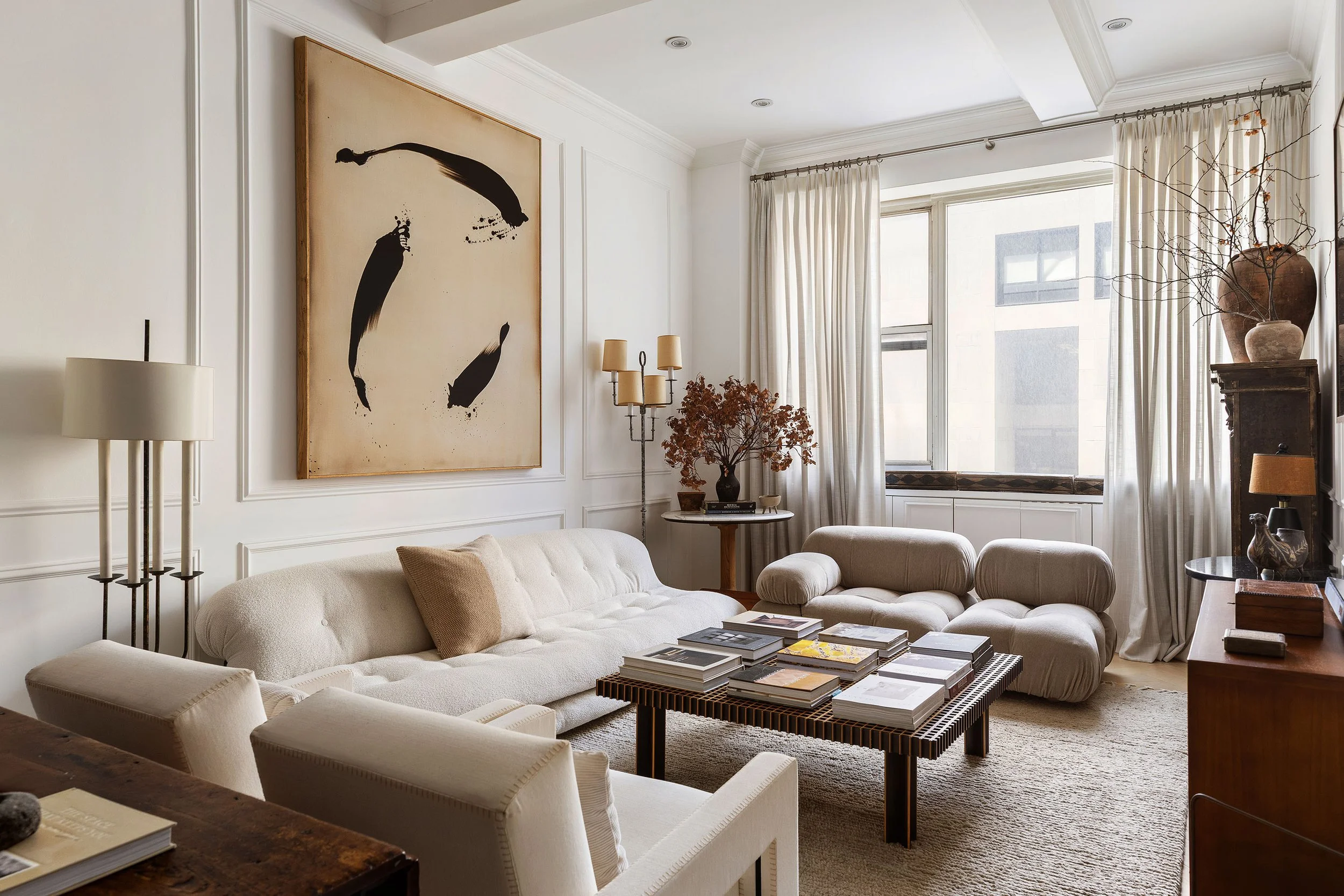
This home was conceived as an intimate study in calm, memory and material presence. Within the structure of a Manhattan apartment, the rooms were shaped through collected design, softened light, aged woods, natural stone and objects gathered over time.
Rather than pursuing perfection, the residence was built around atmosphere: spaces capable of holding silence, conversation, ritual and rest.
Objects were selected not for perfection, but for their ability to carry memory, tension and human presence.
Residential Interior — New York City
Concept, curation and styling by Giacomo Veraldi
LIVING ROOM
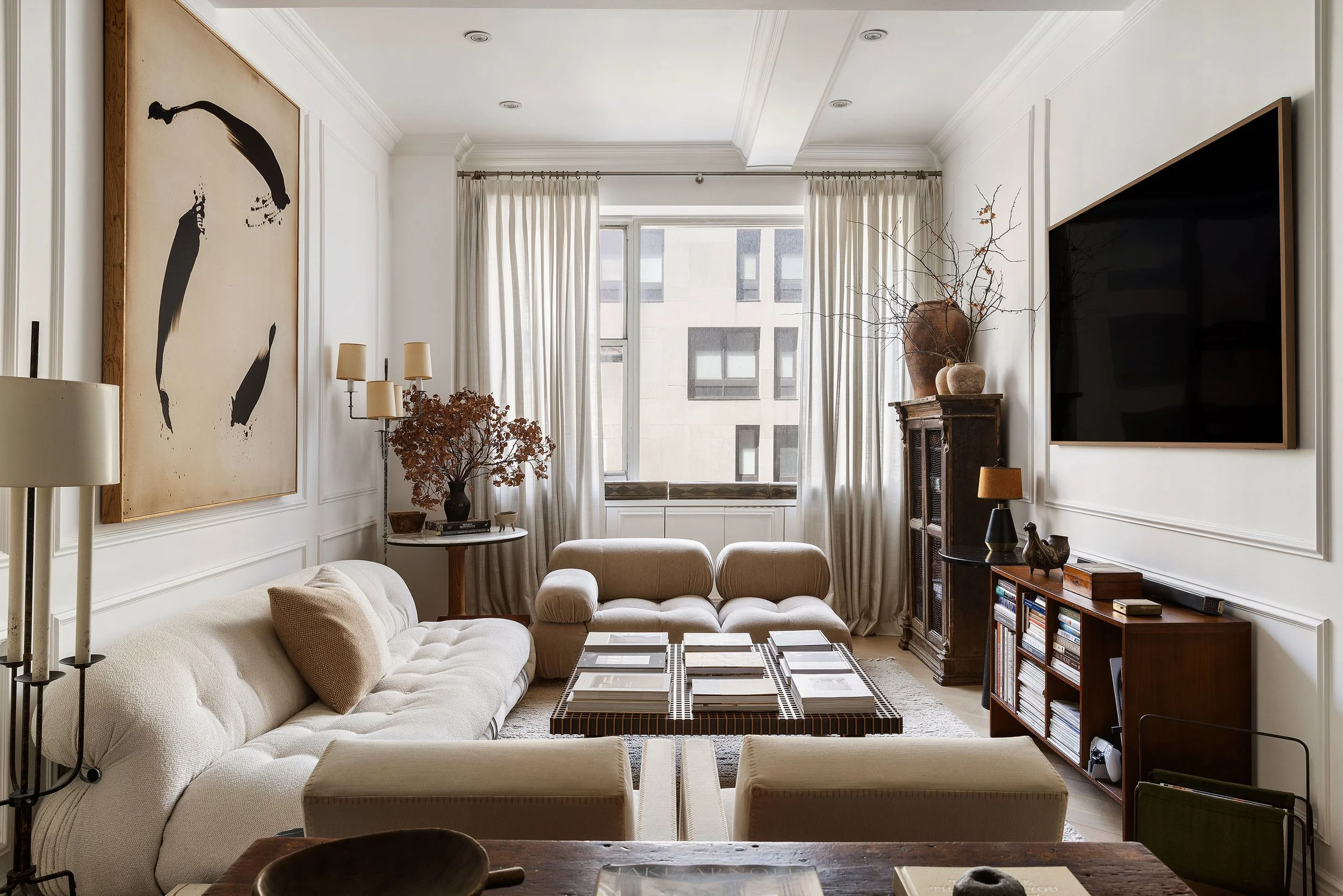
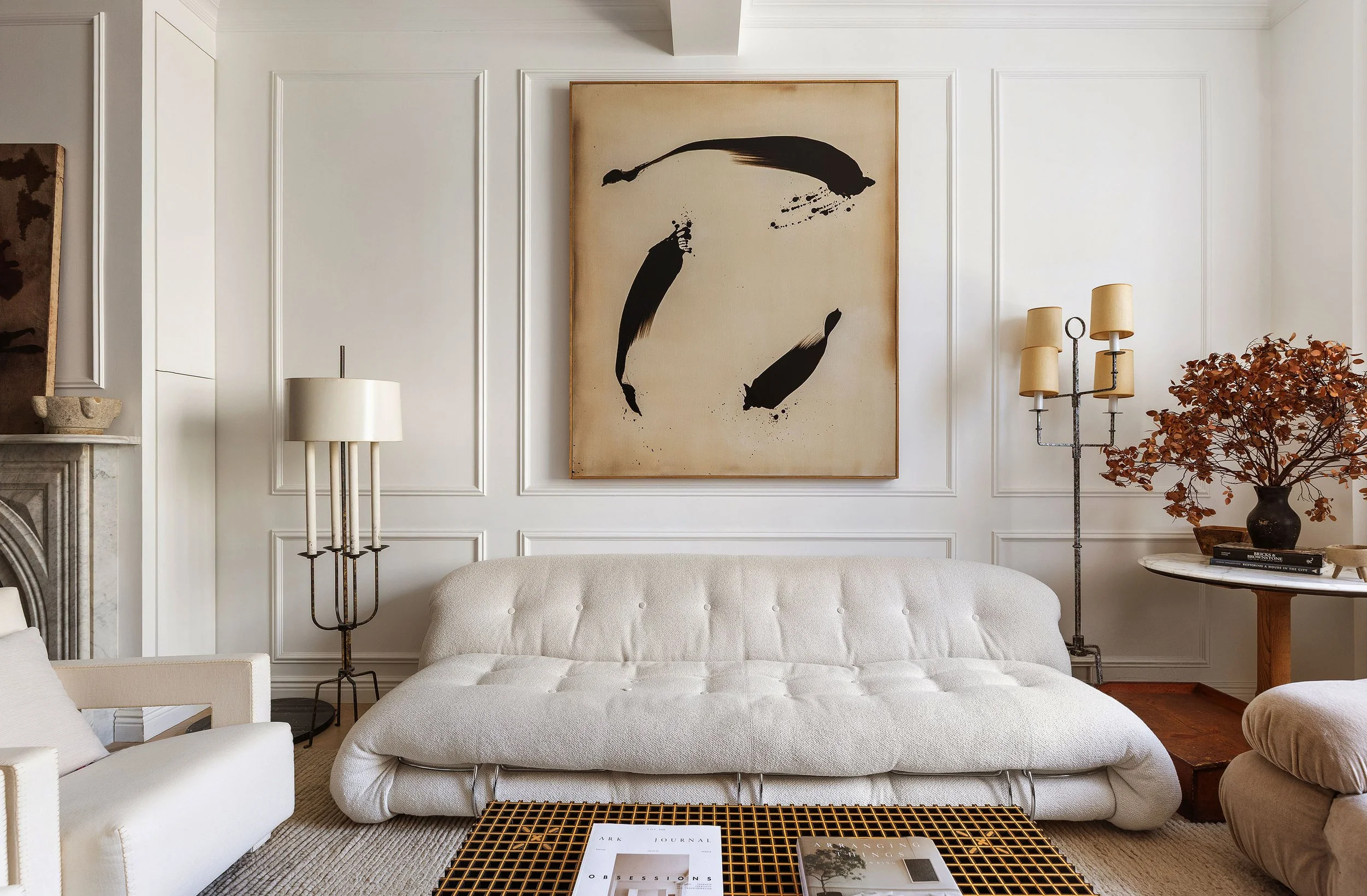
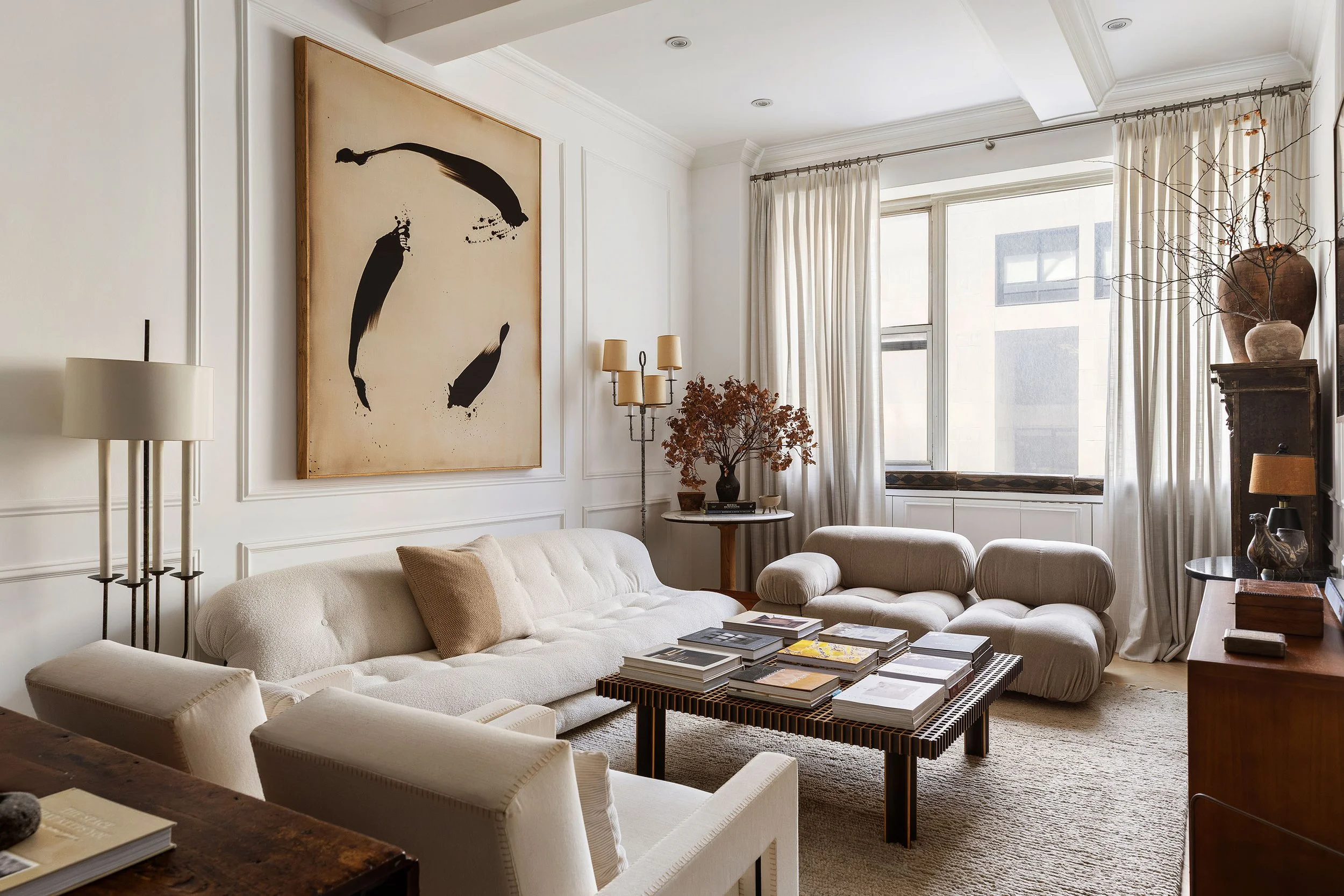
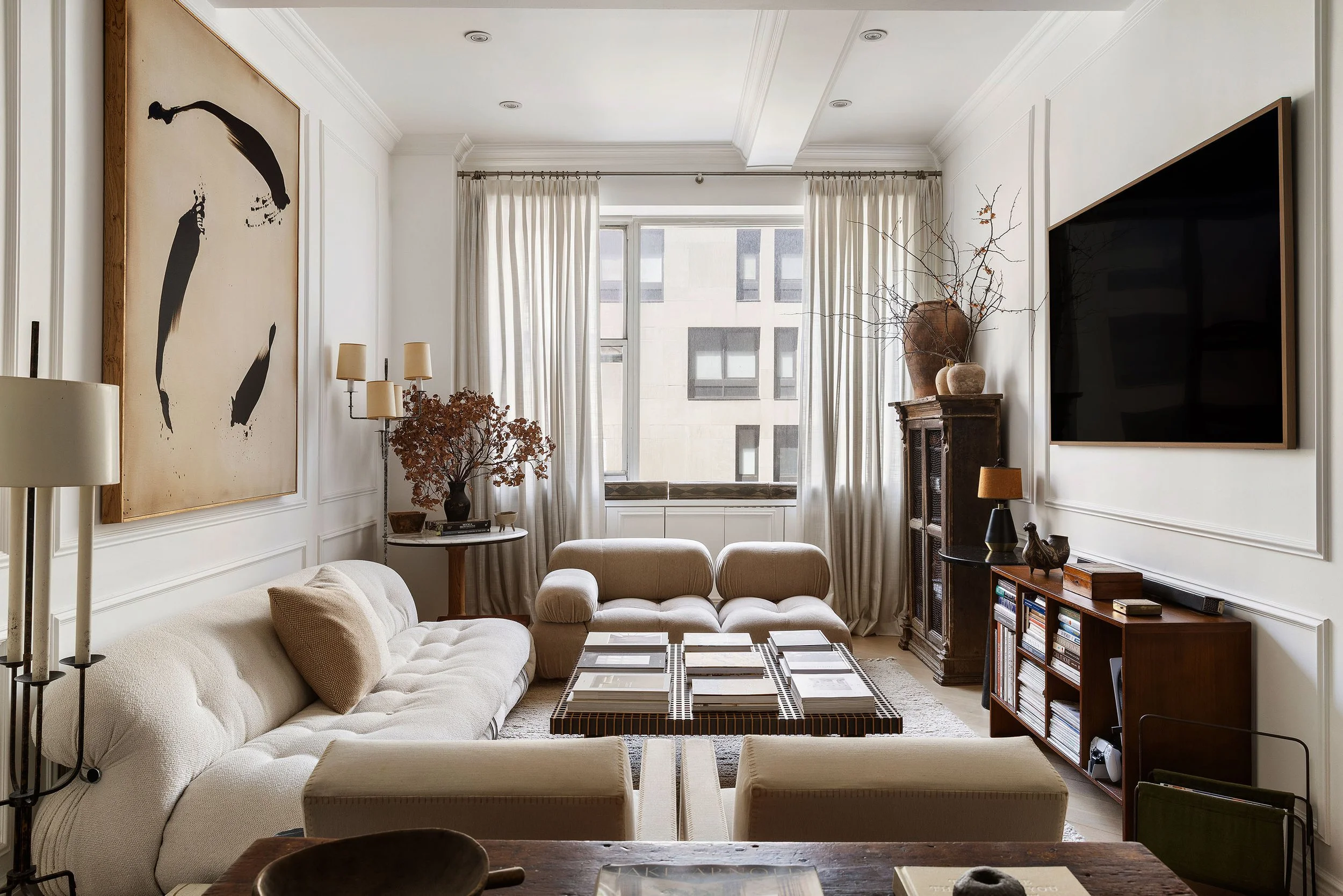
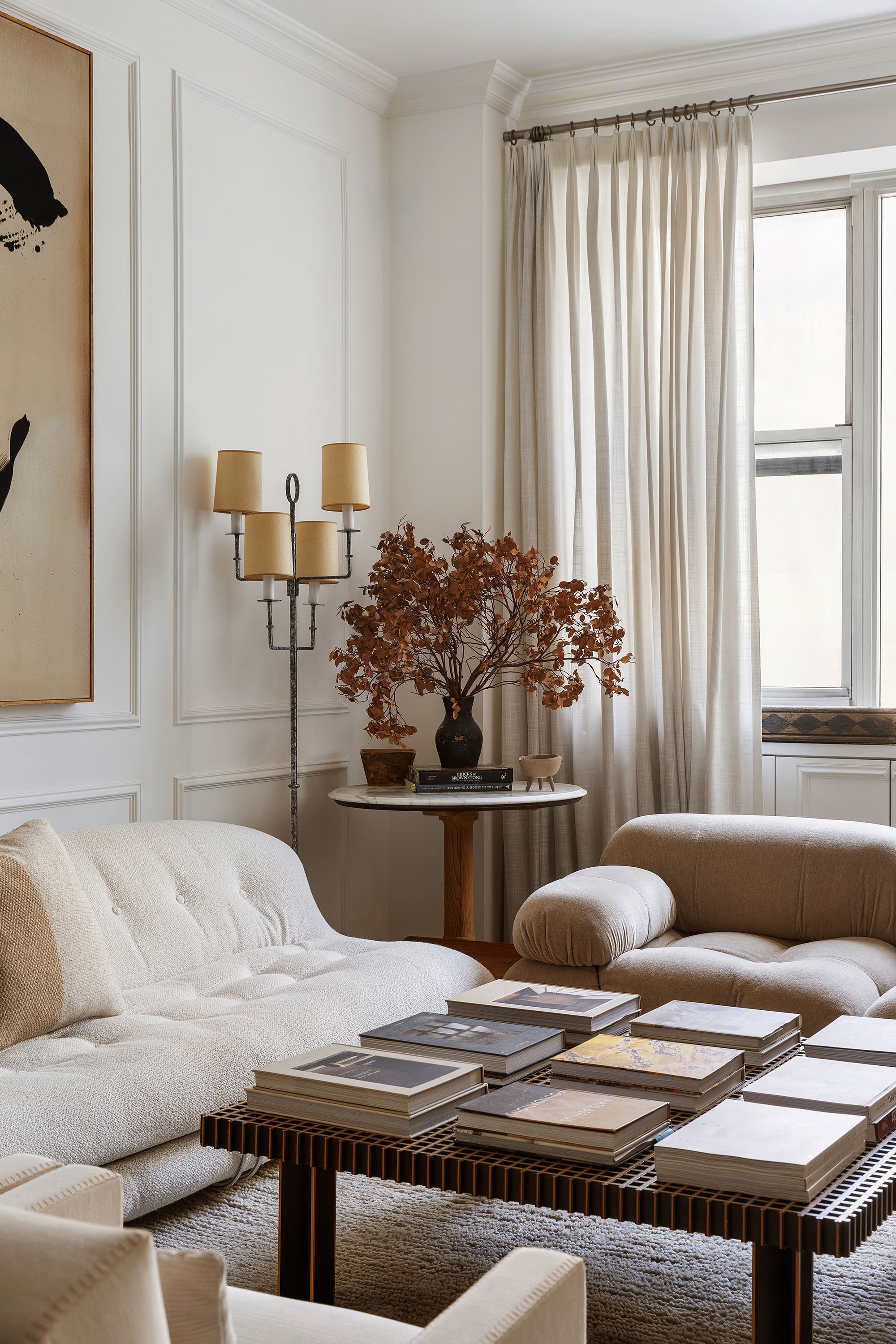
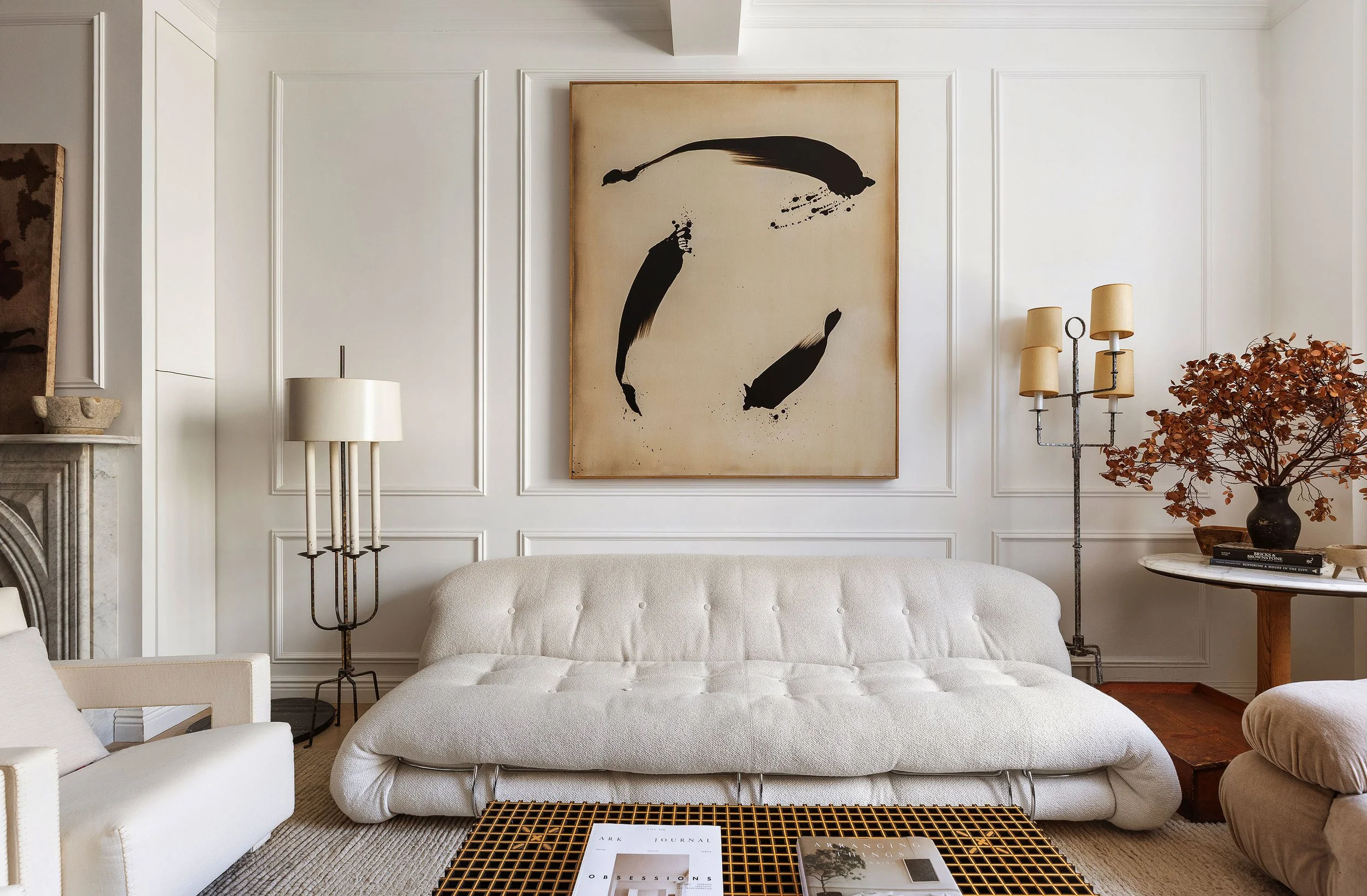
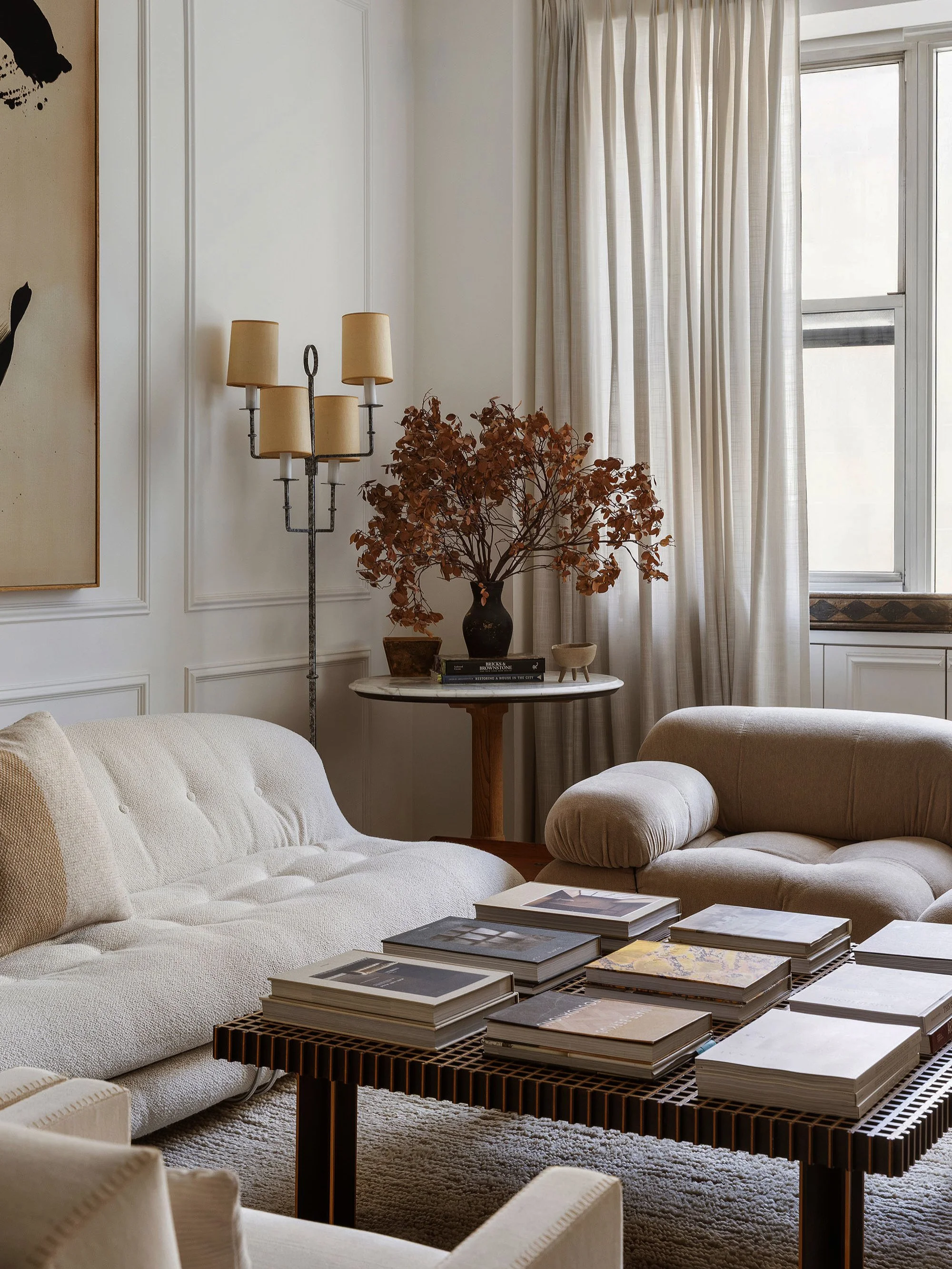
The living room is composed as a quiet dialogue between softness and structure: generous seating, architectural lighting, collected art and rare design pieces brought together to create a sense of ease without losing precision.
Soriana sofa — Afra & Tobia Scarpa
Camaleonda seating — Mario Bellini
Kyoto coffee table — Gianfranco Frattini for Bottega Ghianda, c. 1970
Artwork — Richard Zinon
Rug — Armadillo
Floor lamps — Vintage Tommi Parzinger
COLLECTED PRESENCE
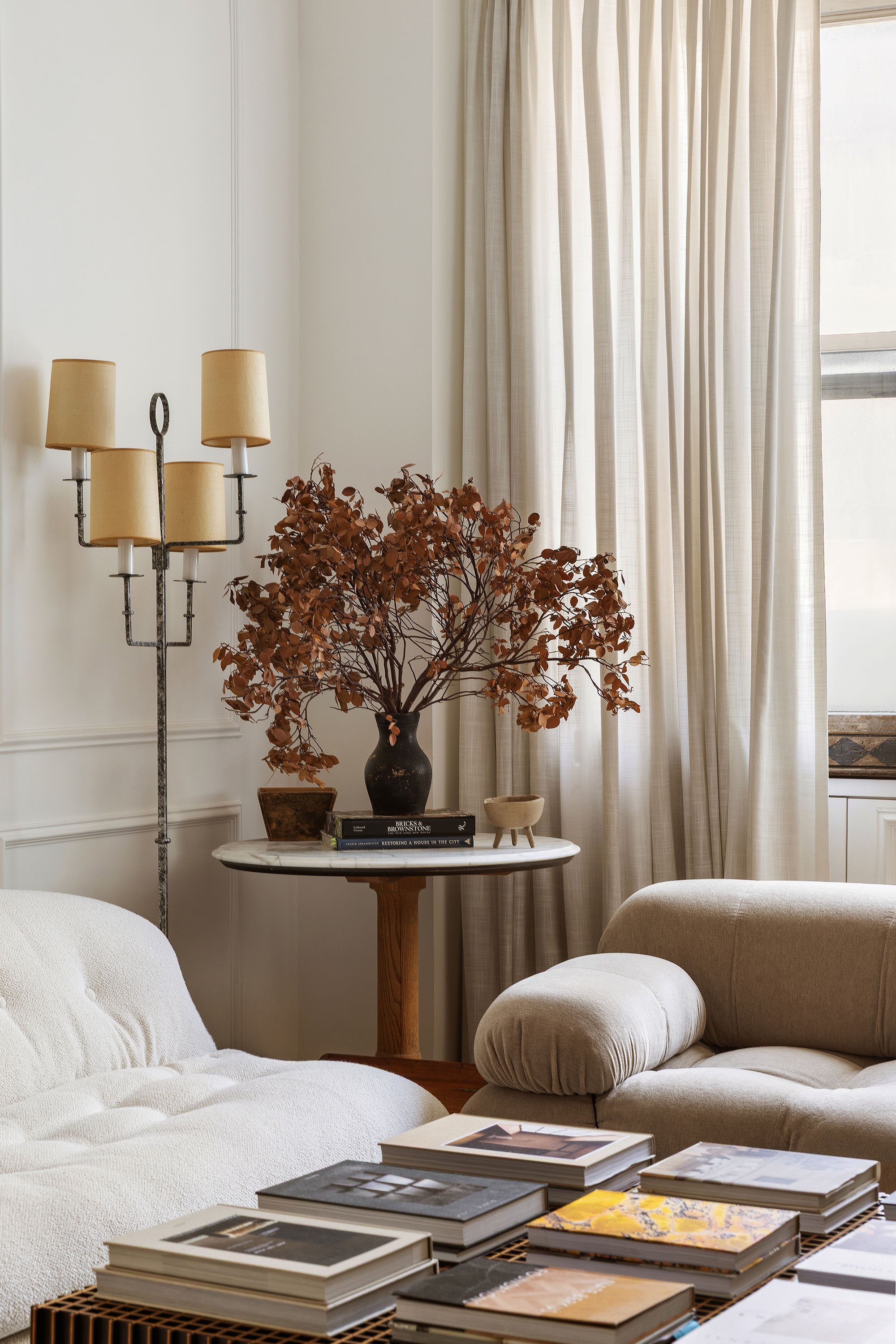
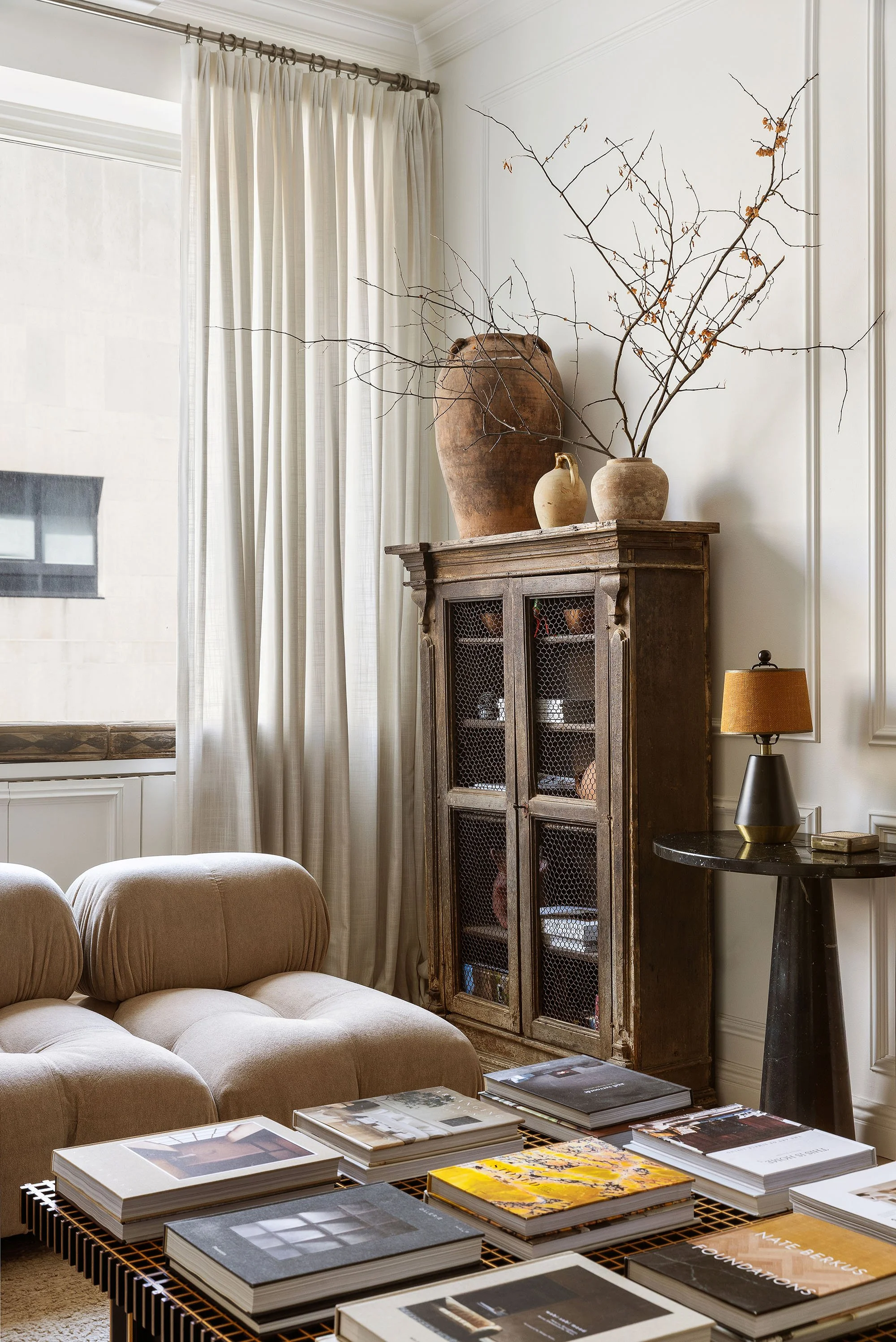
The room was not furnished all at once. It grew through encounters with objects whose material weight, proportions and imperfections created a deeper feeling of permanence.
The Kyoto coffee table, an original Bottega Ghianda creation from the early 1970s, anchors the space through its extraordinary construction and graphic rhythm. Around it, aged wood, linen, stone, books and pottery soften the line between collection and daily life.
DINING ROOM
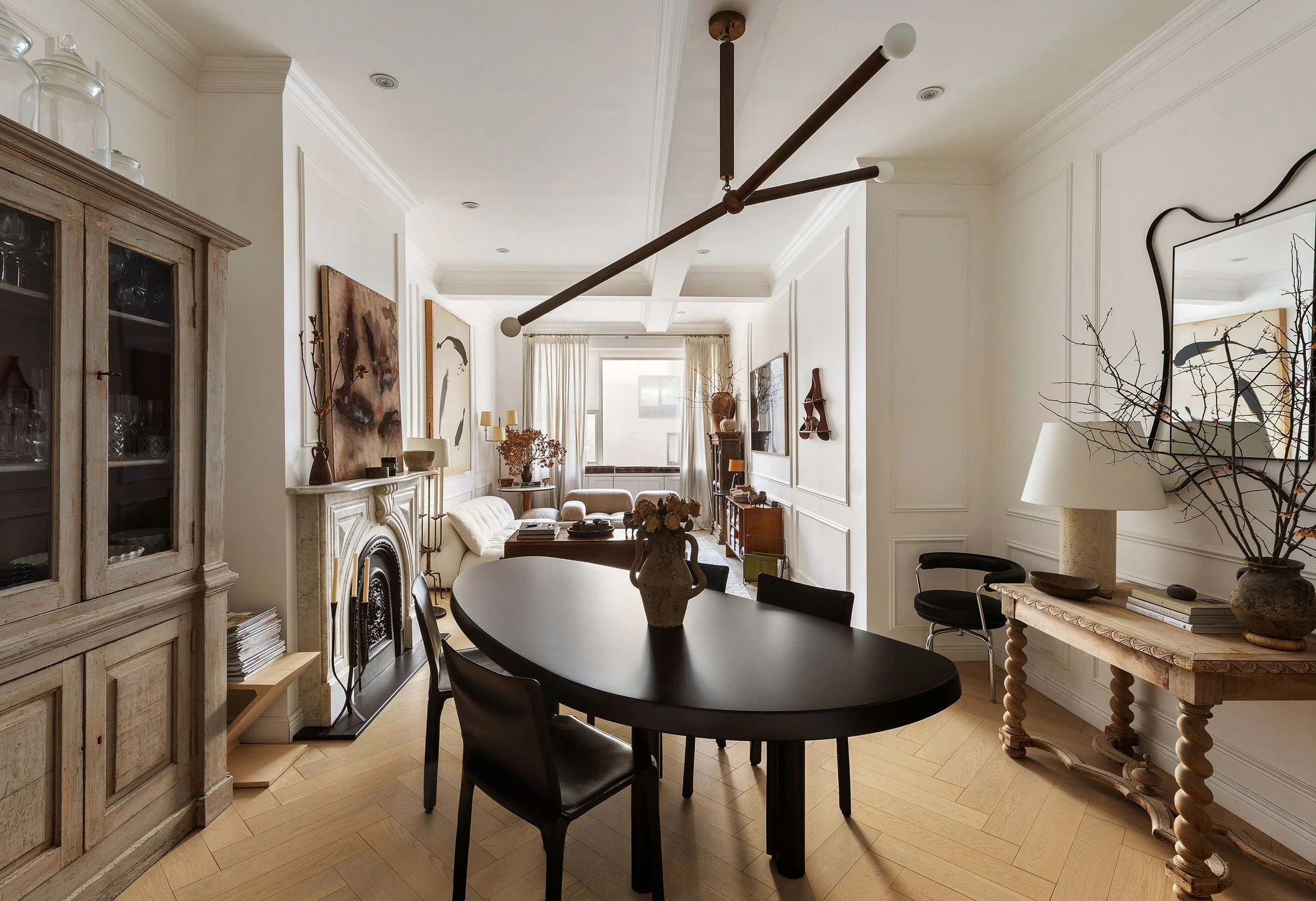
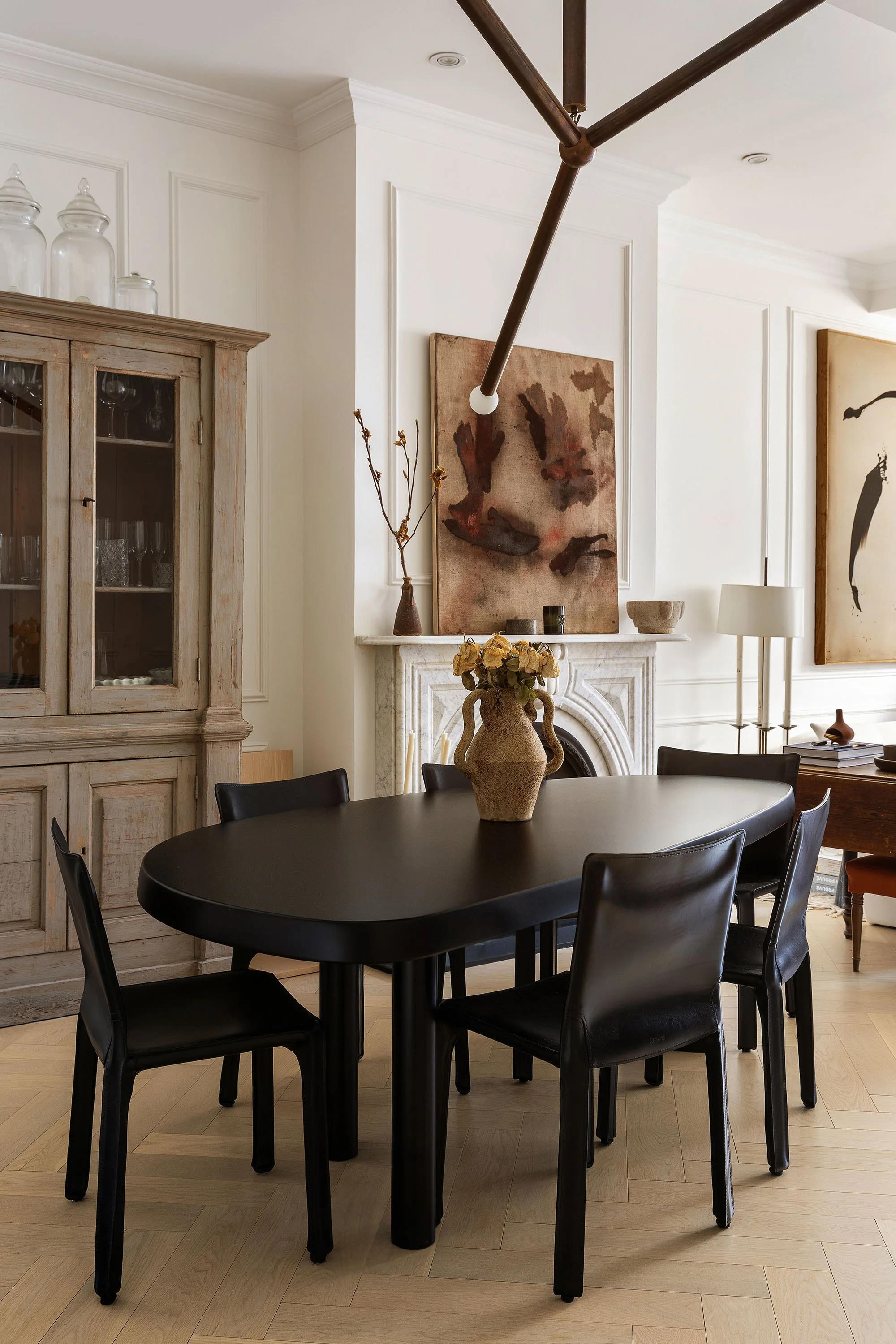
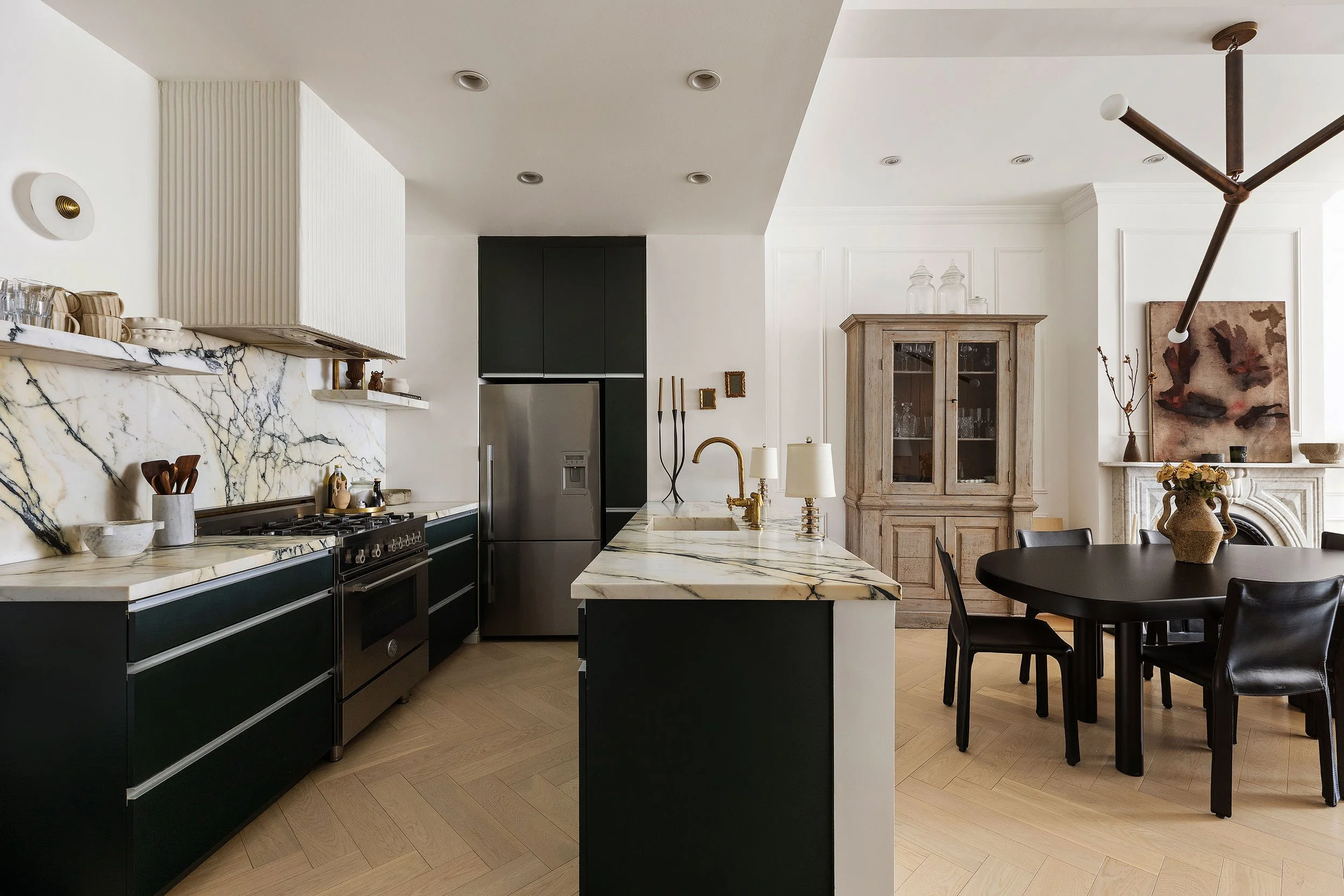
The dining room was imagined as a place for long conversations and generous hospitality. Its atmosphere is more architectural and masculine, grounded by dark materials, aged furniture and the restored fireplace salvaged from a Washington, D.C. townhouse.
The fireplace introduces a sense of permanence and memory within the contemporary shell of the apartment, while the table and seating give the room a disciplined yet welcoming rhythm.
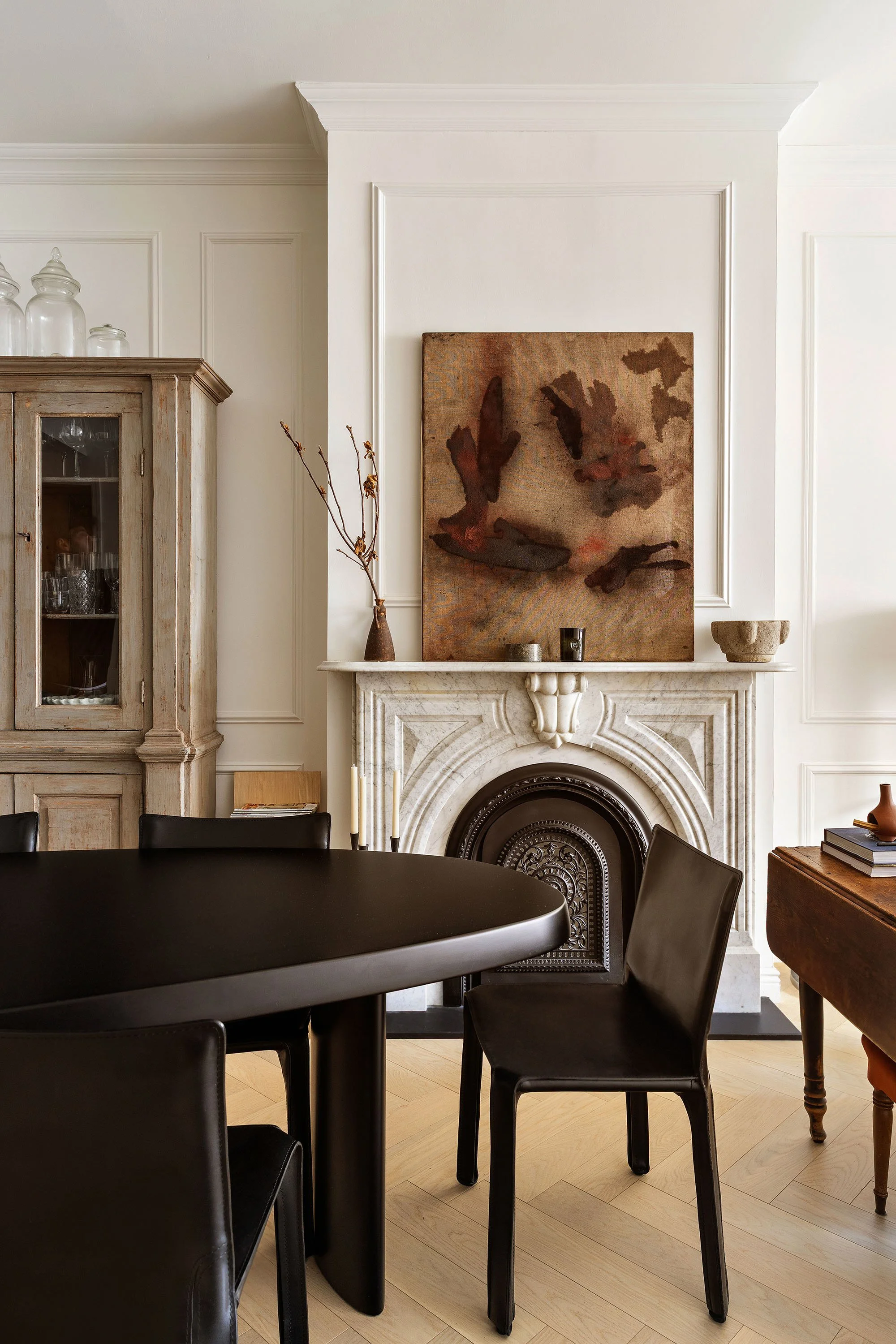
Table en Forme Libre — Charlotte Perriand
CAB chairs — Mario Bellini
Artwork, Particles of Magnetic Dust — Lenore Malen
Restored fireplace — salvaged in Washington, D.C.
Vintage cabinet — Southern Italy, late 1800s
KITCHEN
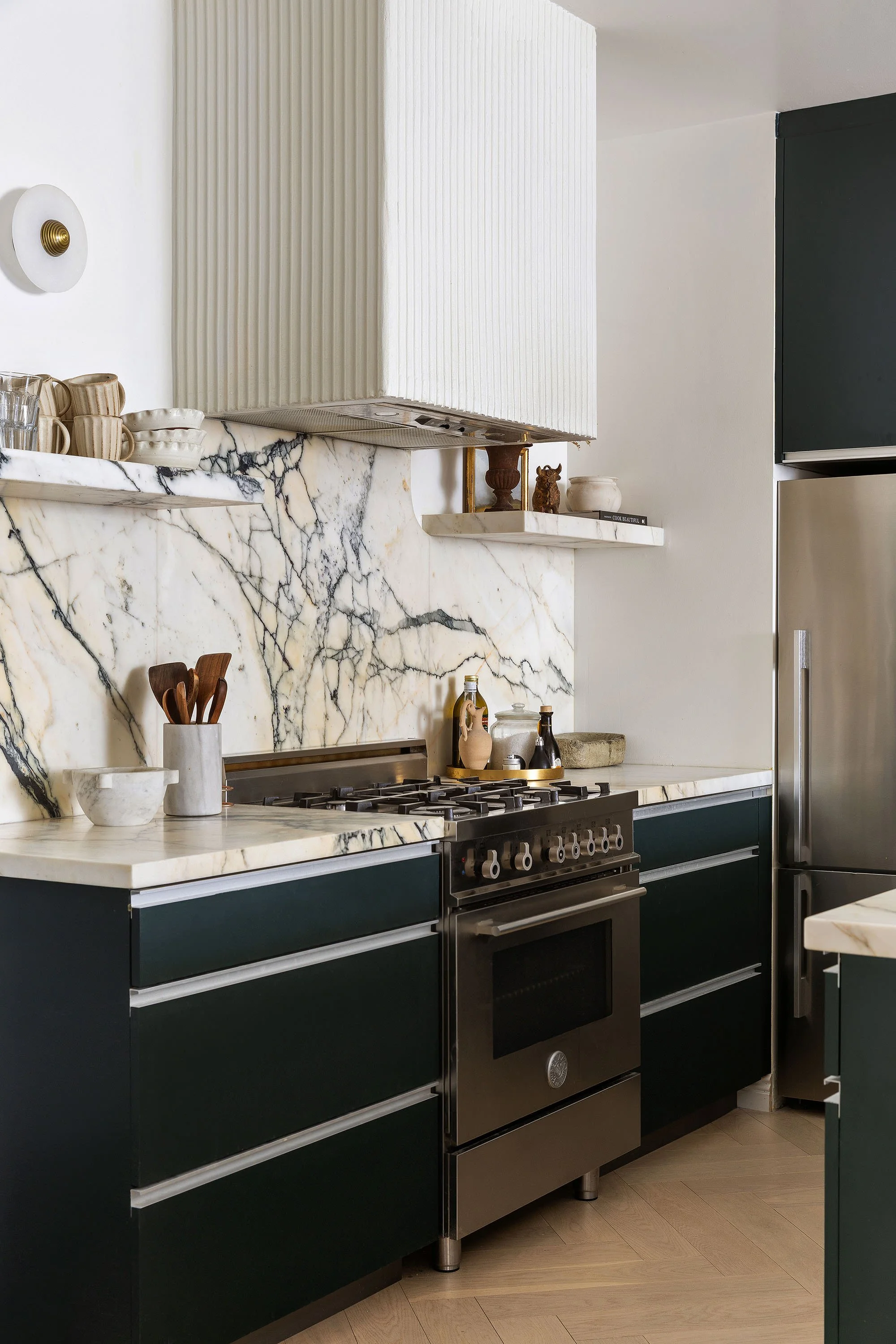
The kitchen was designed as a material counterpoint to the softer living spaces: more sculptural, more tactile, yet still deeply connected to the language of the home.
The handmade fluted hood was sculpted by a European artisan to soften the geometry of the room through shadow and organic rhythm. Italian Paonazzo marble and a bespoke honed brass faucet introduce depth, warmth and a quiet sense of craftsmanship.

ENTRYWAY
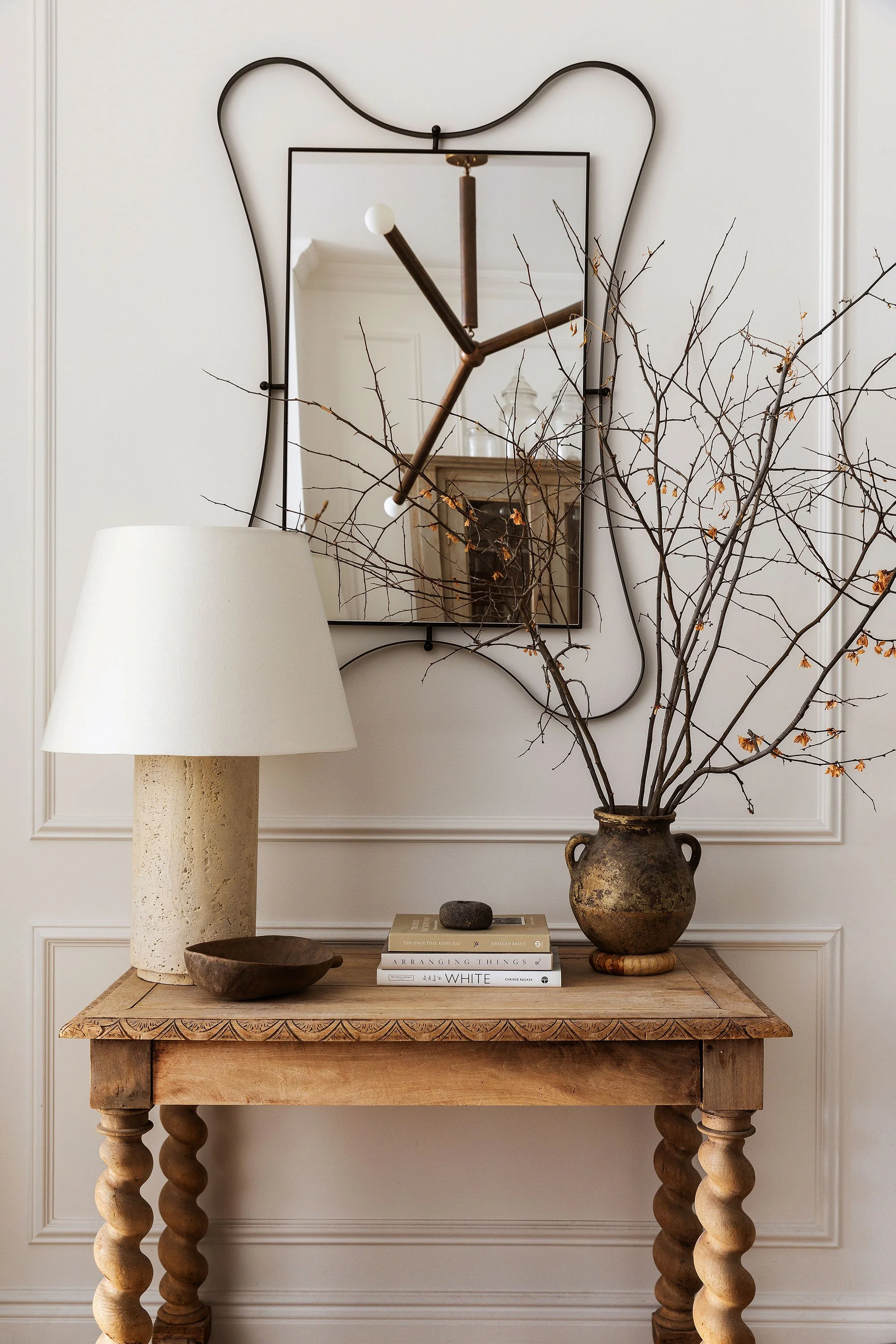
The first gesture of a home should already reveal its soul. Here, sculptural forms, aged surfaces and natural branches create an immediate transition from the energy of the city into a quieter, more contemplative interior world.
Vintage table — sourced in Hudson, New York
Mirror — Fontana Arte
Lamp — travertine
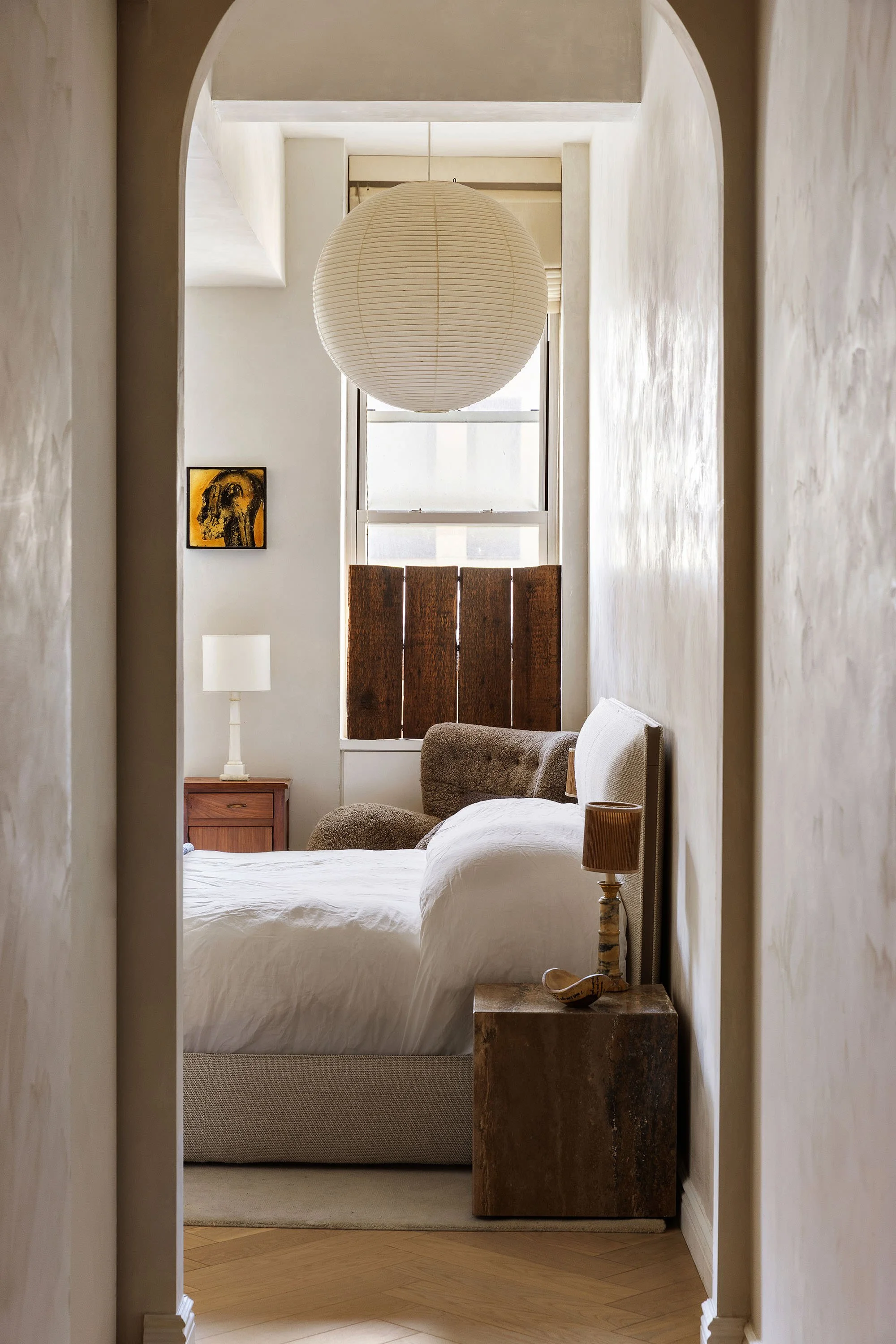
BEDROOM
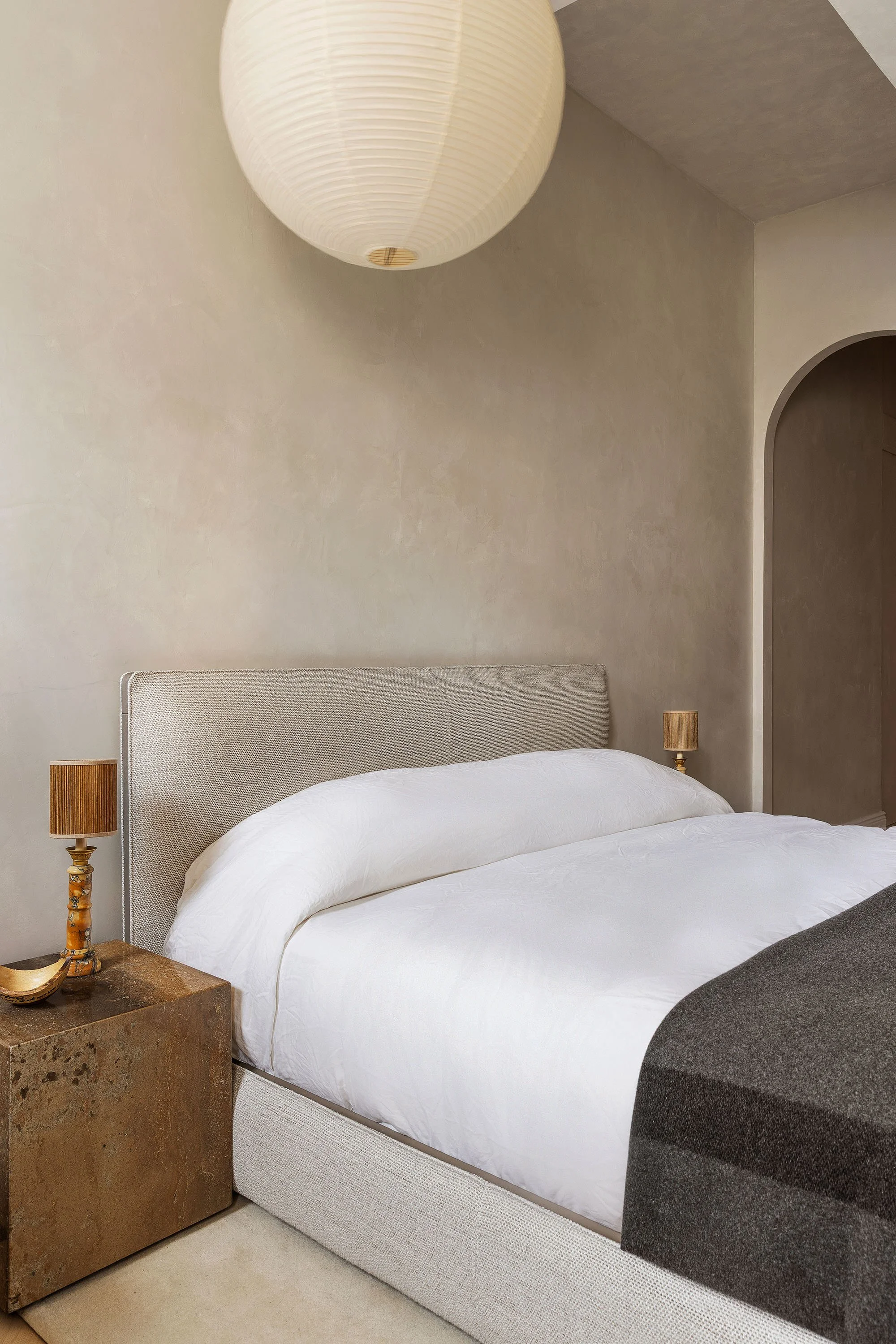
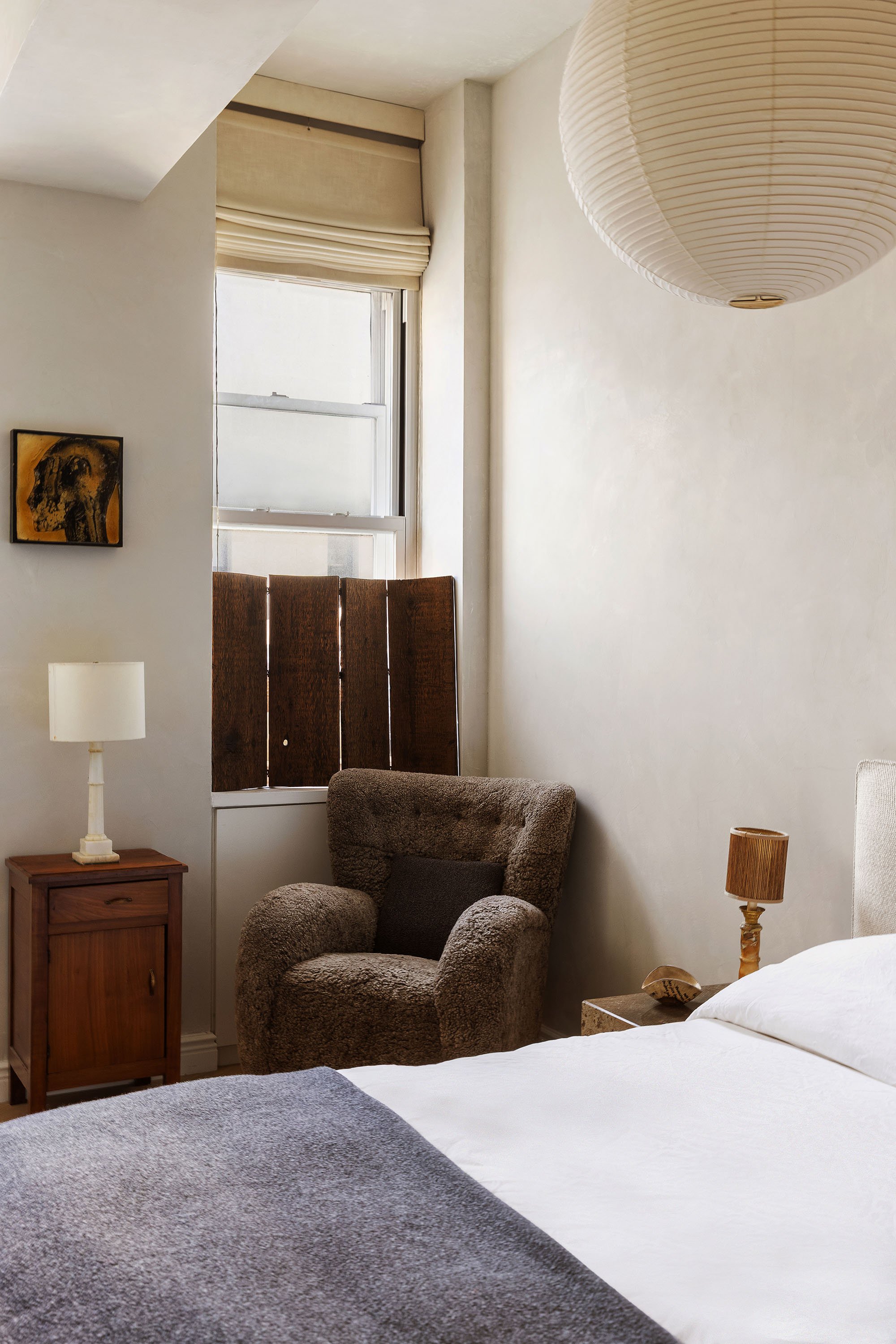
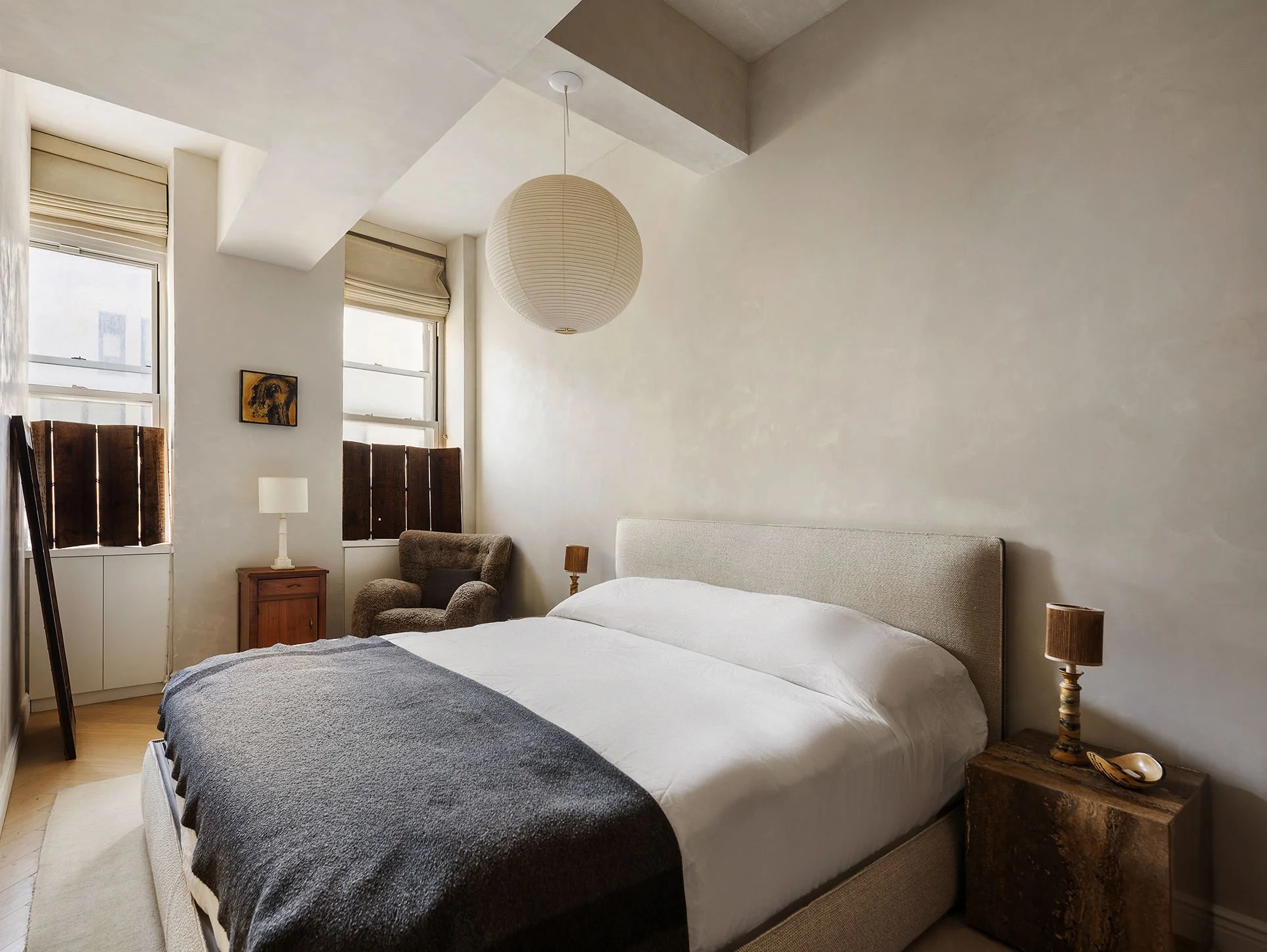
The bedroom was imagined almost as a monastic retreat: a place where silence could become restorative rather than empty.
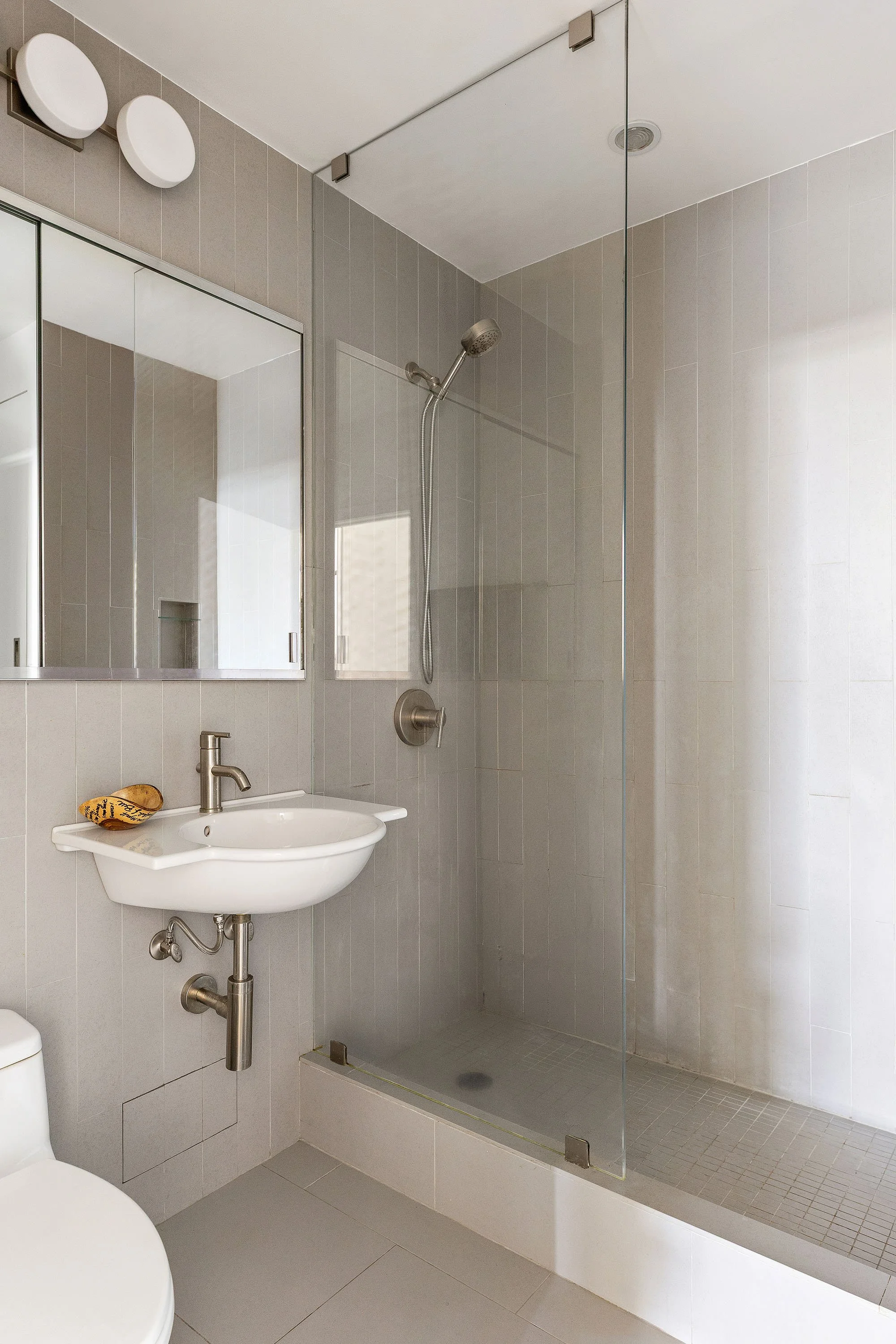
Roman clay walls, softened passageways and tactile natural materials create a sense of enclosure and calm. The arched connection to the ensuite bathroom turns movement through the room into a quiet ritual, while the collected furnishings preserve warmth and individuality.
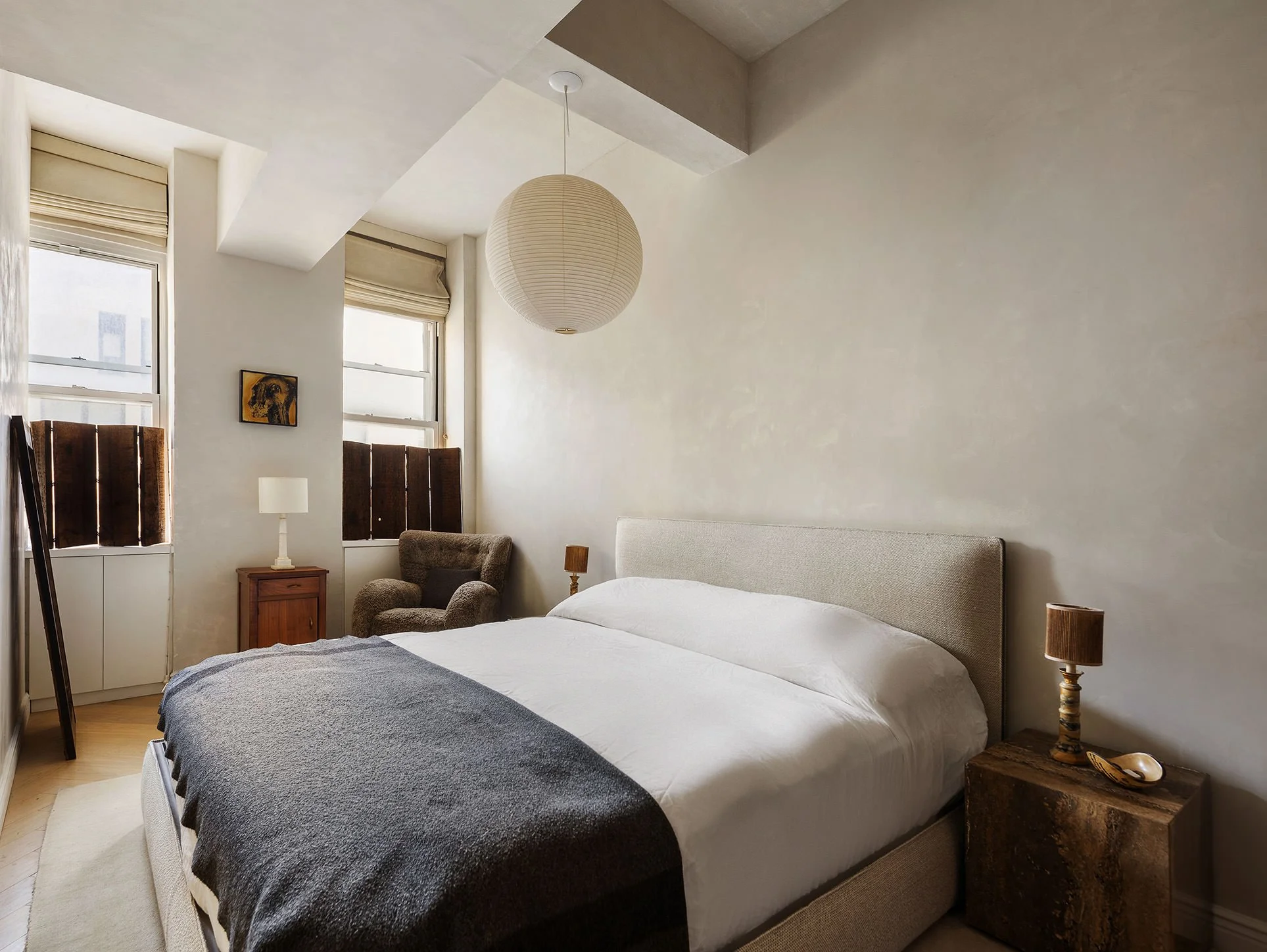
Ribbon bed — Molteni
Handmade Noguchi light
Roman clay wall treatment
Scandinavian sheepskin chair — c. 1920s
Travertine bedside cubes — Italy, c. 1980s
Artwork — Alessandro Del Pero
MATERIAL LANGUAGE
Stone, clay, wood, linen, brass and aged surfaces form the tactile vocabulary of the residence. Each material was selected for its ability to soften over time, absorb light and make the home feel increasingly lived in rather than simply completed.

AGED WOOD

HONED BRASS

CALACATTA PAONAZZO MARBLE
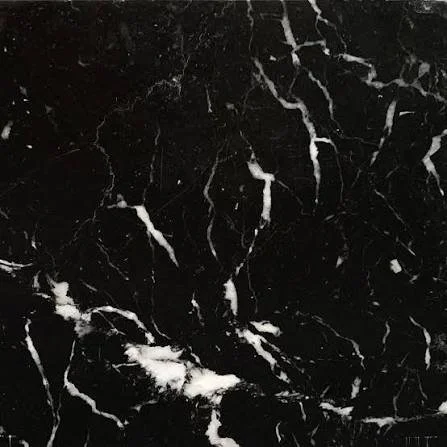
NERO MARQUINA MARBLE

WHITE OAK WOOD
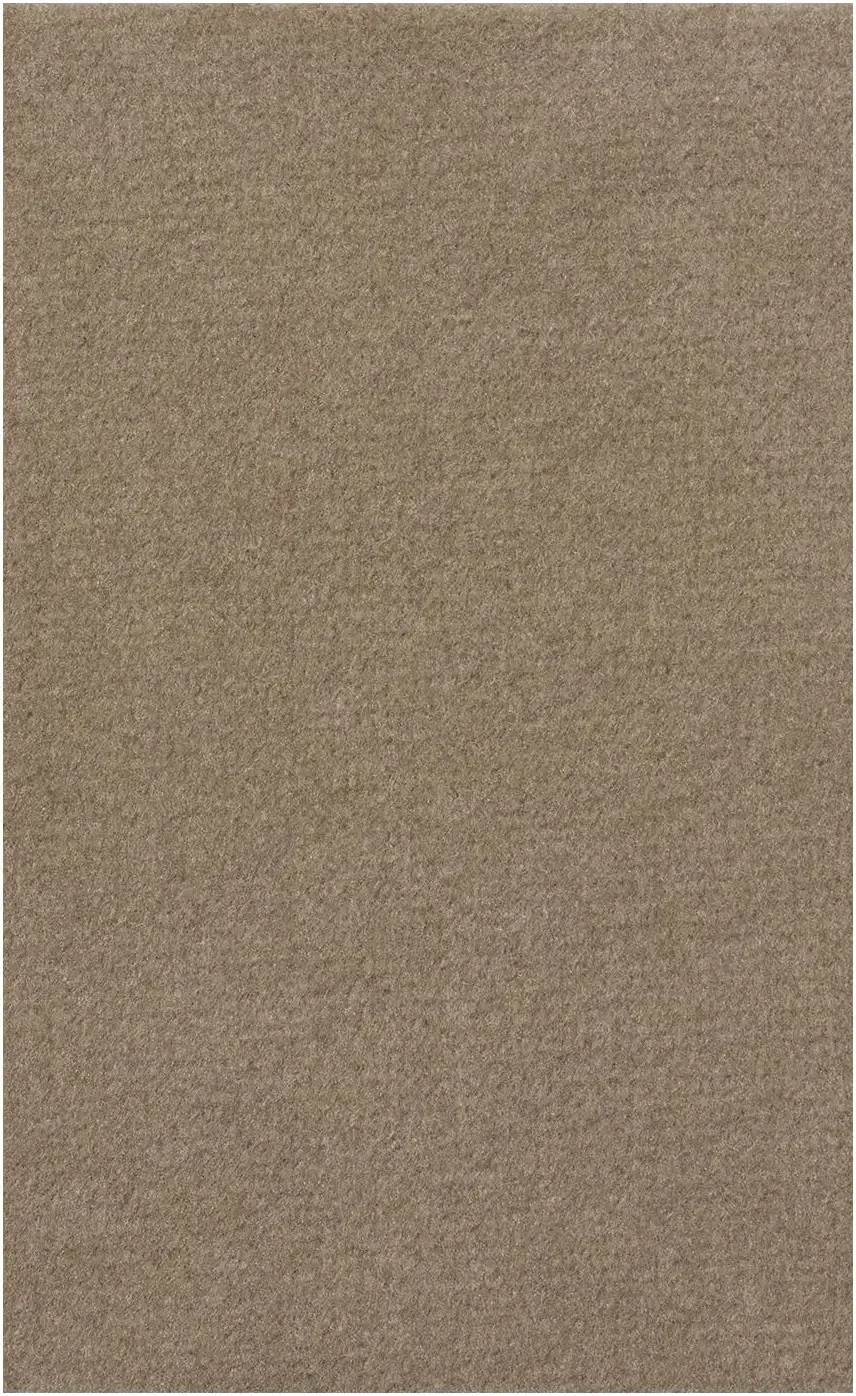
BROWN VELVET
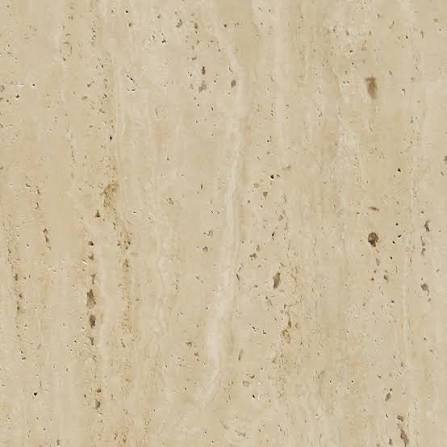
TRAVERTINE
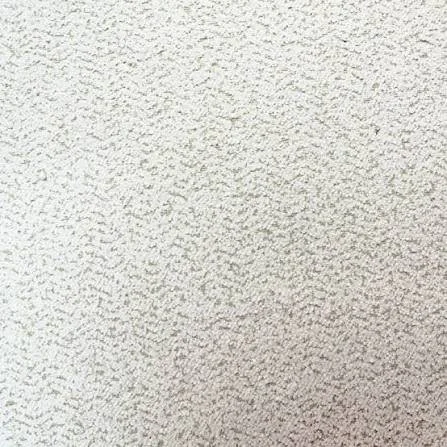
BOUCLE’

ROMAN CLAY

BLACK LEATHER’

BROWN LINEN
MY DESIGN PHILOSOPHY
I approach interiors as spatial storytelling: a way to translate emotion, restraint, hospitality and human presence into physical environments.
After years leading brands and organisations across the United States and Europe, my work explores a more intimate form of authorship: the creation of rooms where material, light and collected objects give visible form to memory, belonging and calm.
My interiors are shaped by a belief that beauty should never feel imposed. It should emerge quietly, through proportion, texture, patina and the feeling that every object has found its place for a reason.
“A home can become the first visible proof of an inner world.”







Useful Links
© Arenaria 2025